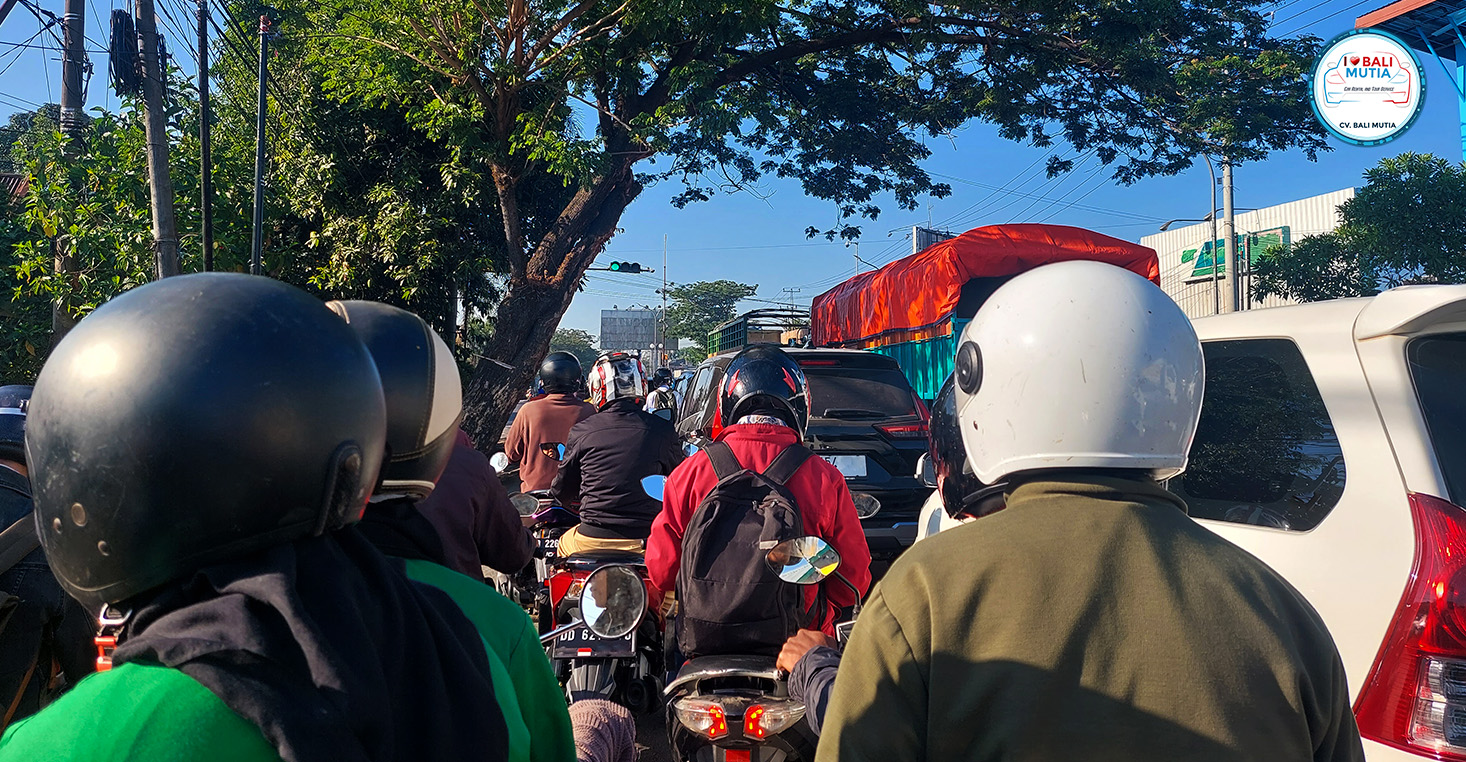
Canggu traffic is one of the first things visitors notice after falling in love with the area. The cafes are great. The beaches are beautiful. The sunsets are hard to beat. But the roads? That is a different story.
If you are planning to spend time in Canggu, understanding how traffic works here will save you hours of frustration and help you plan your days much better.
What Makes Canggu So Famous?
Canggu was once a quiet coastal village surrounded by rice paddies and fishing communities. Over the past decade, it transformed into one of Bali’s most sought-after destinations.
The area draws surfers chasing waves at Echo Beach and Batu Bolong. It pulls in digital nomads who fill the cafes with laptops and cold brew. Travelers come for the beach clubs, the food scene, and the laid-back creative energy that Canggu has built a global reputation for.
Where once Bali could expect 5 to 6 million visitors a year, the island now sees 15 million or more. A large portion of those visitors head straight for Canggu. The result is a neighborhood that was never built for this level of traffic now trying to handle it every single day.
Why Is Canggu Traffic So Bad?
There are several reasons, and most of them come back to the same core issue: the area grew faster than its roads.
The roads were not built for this volume.
Most of the development in Bali has occurred around the best beaches, and the resorts, cafes, and hotels were built around existing narrow roads that were originally designed for rice farmers and local villagers. Adding thousands of tourists and residents on top of that infrastructure was always going to create problems.
Car and motorbike numbers keep rising.
As visitor numbers increased, so did the number of cars, trucks, and scooters on the road. Every new villa, warung, and beach club brings more vehicles into a street network that has not expanded to match.
Peak hours hit hard twice a day.
Traffic is worst between 6 and 8 AM when people head to work, and again between 5 and 7 PM when they return. In tourist hotspots, there is also a second rush from 8 to 11 AM as people start their day trips, and from 4 to 7 PM as they return or head out for evening activities.
Driving standards add to the chaos.
Driving in Bali does not follow formal rules in the way many visitors are used to, and it quickly becomes apparent that most road users are not following standard traffic conventions. This makes the roads unpredictable even when they are not congested.
How to Deal With Canggu Traffic
You cannot eliminate Canggu traffic entirely. But you can make smarter decisions that reduce how much of it you actually sit in.
Time your movements around peak hours.
The simplest strategy is to be somewhere you want to be when traffic peaks. Schedule beach time, surf sessions, or cafe visits during mid-morning or early afternoon. If you want to catch sunset at a beach club, arrive early and stay put rather than trying to travel during the 4 to 7 PM rush.
Stay close to where you want to be.
The best way to avoid spending large parts of your day stuck in traffic is to stay where you want to be. If your accommodation is near your main activities, many short trips become walkable and the road stops being an obstacle.
Take the longer route.
This sounds counterintuitive, but most vehicles in Bali tend to follow the shortest route between two points. If you are willing to take a more indirect path using Google Maps, there will be far fewer vehicles on that route and your journey will move much faster. Roads like Jalan Nelayan, Jalan Batu Mejan, and Jalan Padang Linjong can cut significant time compared to the main Batu Bolong road.
Use ride-share apps for flexibility.
Apps like Gojek and Grab let a driver handle the navigation while you relax. Ride-share apps can also have a positive impact on road culture by reducing the overall number of vehicles on the road, since one vehicle ends up serving many people.
Walk short distances.
In the core Canggu area, many spots are closer than they look on a map. Walking is faster than sitting in traffic for short distances, and it lets you notice things you would miss from inside a vehicle.
Visit in the shoulder season.
The best time to explore Canggu with lighter traffic is May to June or September to October. You still get good weather and good waves, but without the peak-season crowds that turn every junction into a standstill.
When Does Canggu Traffic Get Worse Than Usual?
Outside of the daily rush hours, certain times of year push Canggu traffic to another level entirely. The Christmas and New Year period brings an enormous surge of visitors. School holiday periods from Australia and Europe consistently spike tourist numbers. Long weekends within Indonesia also push extra domestic travelers into the area.
If you are visiting during any of these periods, build more travel time into every plan and avoid last-minute scheduling.
Planning a Longer Trip Around Bali?
Canggu is an exciting base, but Bali has a lot more to offer beyond the neighborhood. Uluwatu, Ubud, Seminyak, Nusa Dua, and the beaches of East Bali all sit within a reasonable drive. The challenge is getting between them comfortably, especially when you are traveling with luggage, family, or a group.
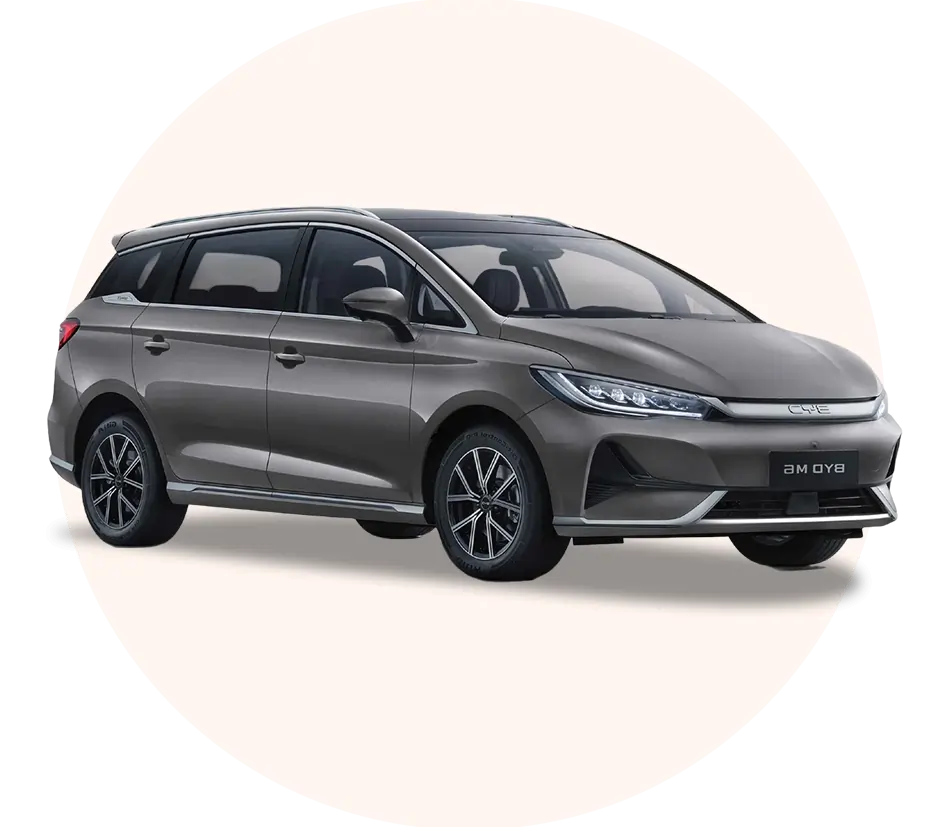
For longer journeys that take you through Canggu and the surrounding areas, renting a car gives you the flexibility to move on your own schedule. Bali Mutia Rental provides comfortable, well-maintained vehicles for rent in Bali, with options for both self-drive and with a driver. If you prefer to sit back and leave the navigation to someone who knows Bali’s roads well, the with-driver option is worth it.
Bali Mutia Rental offers free pickup and drop-off for areas including Seminyak, Kuta, Legian, and Ngurah Rai Airport, so getting started is simple.
Contact Bali Mutia Rental to check availability and plan your Bali journey on your own terms.